MC Mining’s high-quality steelmaking and thermal coal assets in South Africa, encompass long reserve life and excellent growth options.
Our assets
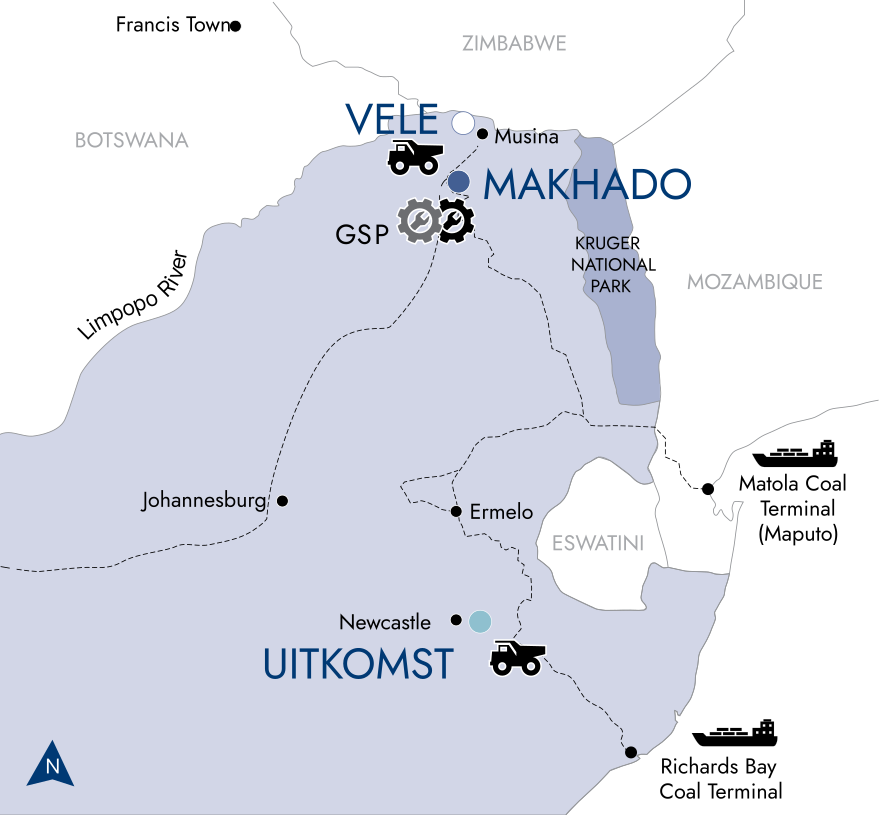
- Makhado Project (hard coking and thermal coal), Limpopo province
- Uitkomst Colliery (metallurgical and thermal coal), KwaZulu-Natal
- Vele Colliery (semi-soft and thermal coal), Limpopo province
- Greater Soutpansberg Projects – MbeuYashu (coking and thermal coal), Limpopo province
Our products
Metallurgical coal is the umbrella term for all coal used to produce coke for steelmaking and consists of several subsets, of which hard coking coal is one.
Hard coking coal (HCC) is a highly specialised coal with unique chemical and metallurgical properties required for industrial purposes. The primary use of hard coking coal is to produce coke, which is used as a reductant in steel production. To achieve this, coking coal is baked in an oven without oxygen where the coal becomes ‘plastic’ before resolidifying into coke particles. Australia, USA and Canada dominate global metallurgical coal markets. Makhado is set to be South Africa’s only industrial-scale producer of HCC.
Semi-soft coking coal (SSCC) is a metallurgical coal grade used in steelmaking, featuring higher volatile matter and lower coking strength than HCC. It is primarily used as a blending component with stronger coals to control costs, improve coke reactivity, and manage coal quality in blast furnaces.
Thermal coal, or steam coal, is a major global energy source, providing fuel for steam turbines which produce grid-tied electricity. It is also used in industrial processes like cement production, paper manufacturing, and chemical manufacturing.
EXPLORE OUR ASSETS

Makhado Project
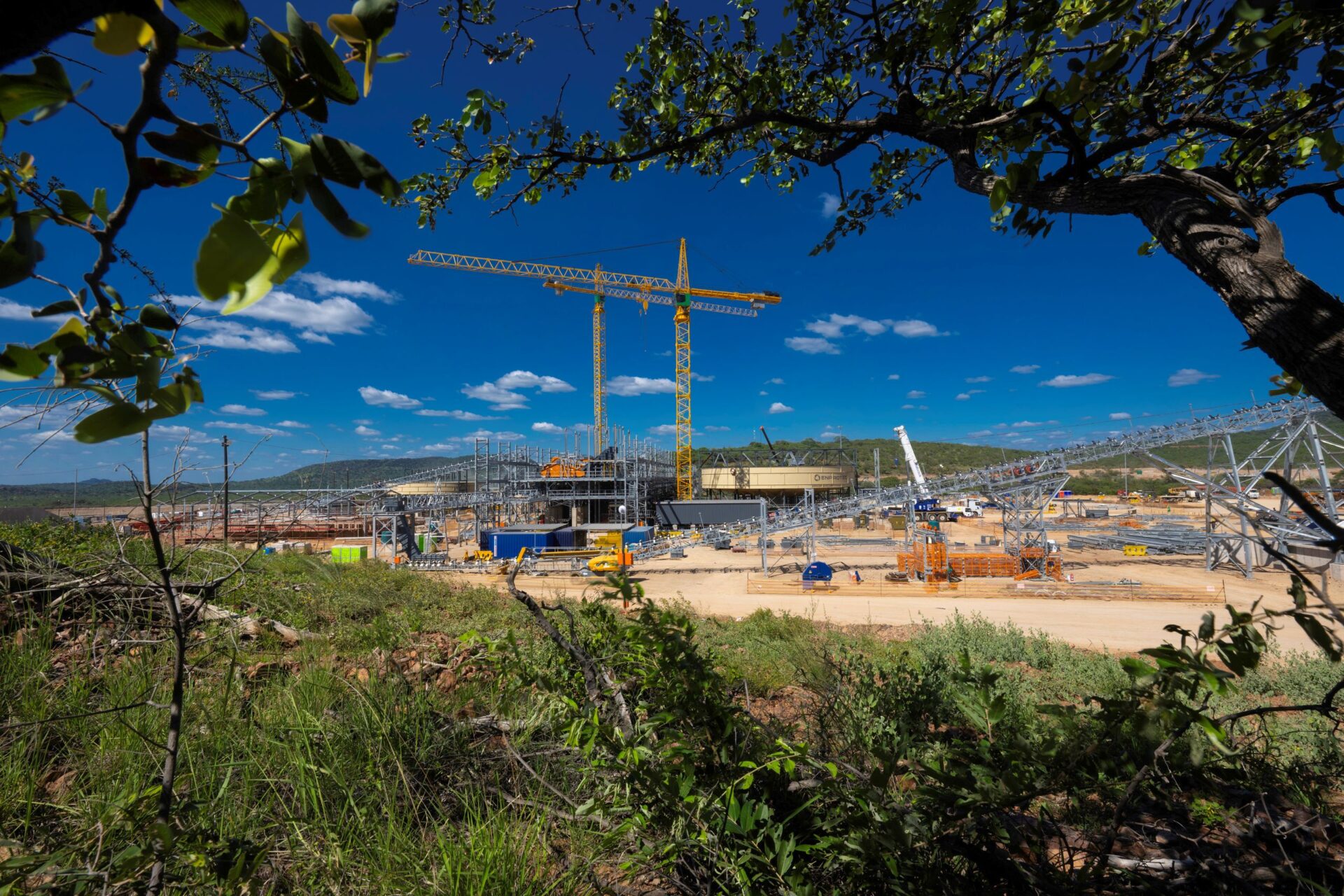
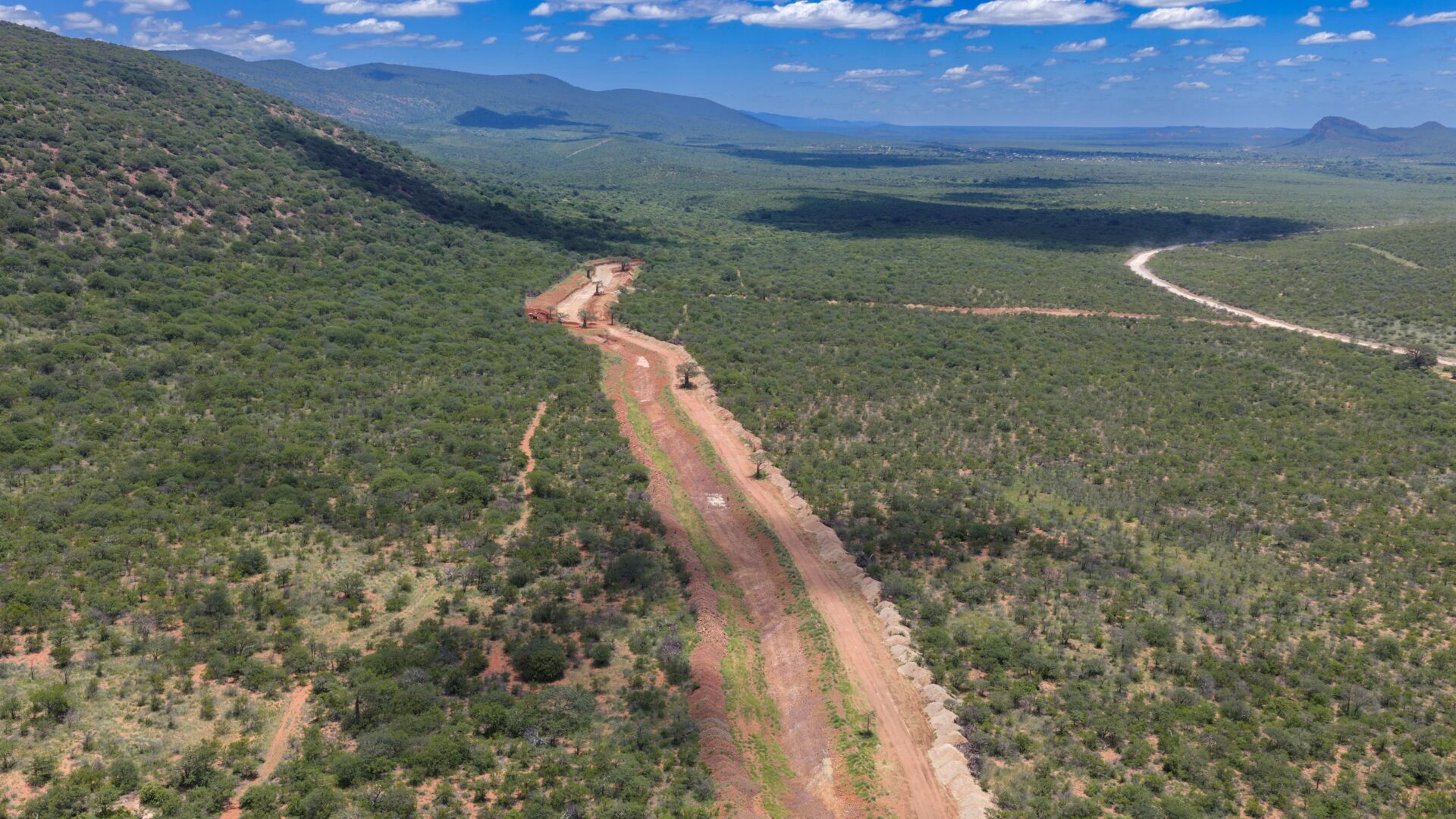
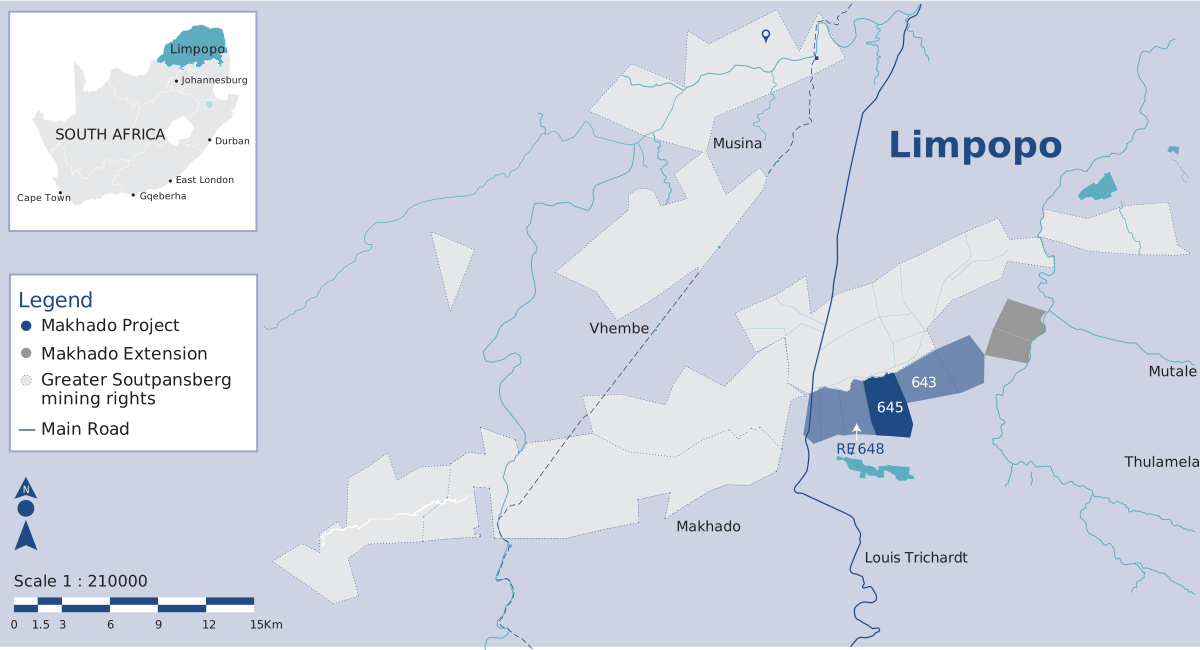
MC Mining has a 67% interest in its flagship Makhado Project, which spans an area of over 60km² across five farms in the Soutpansberg coalfield in South Africa’s Limpopo province. The ‘shovel ready’ Makhado Project has all the necessary regulatory permits and owns the surface rights required for mining operations.
Status
In development
Life of mine
~28 years
Mining method
Opencast
In situ mineable resource
335Mt
FY2025 marked a significant milestone in the history of MC Mining with the accelerated development of the Makhado Project.
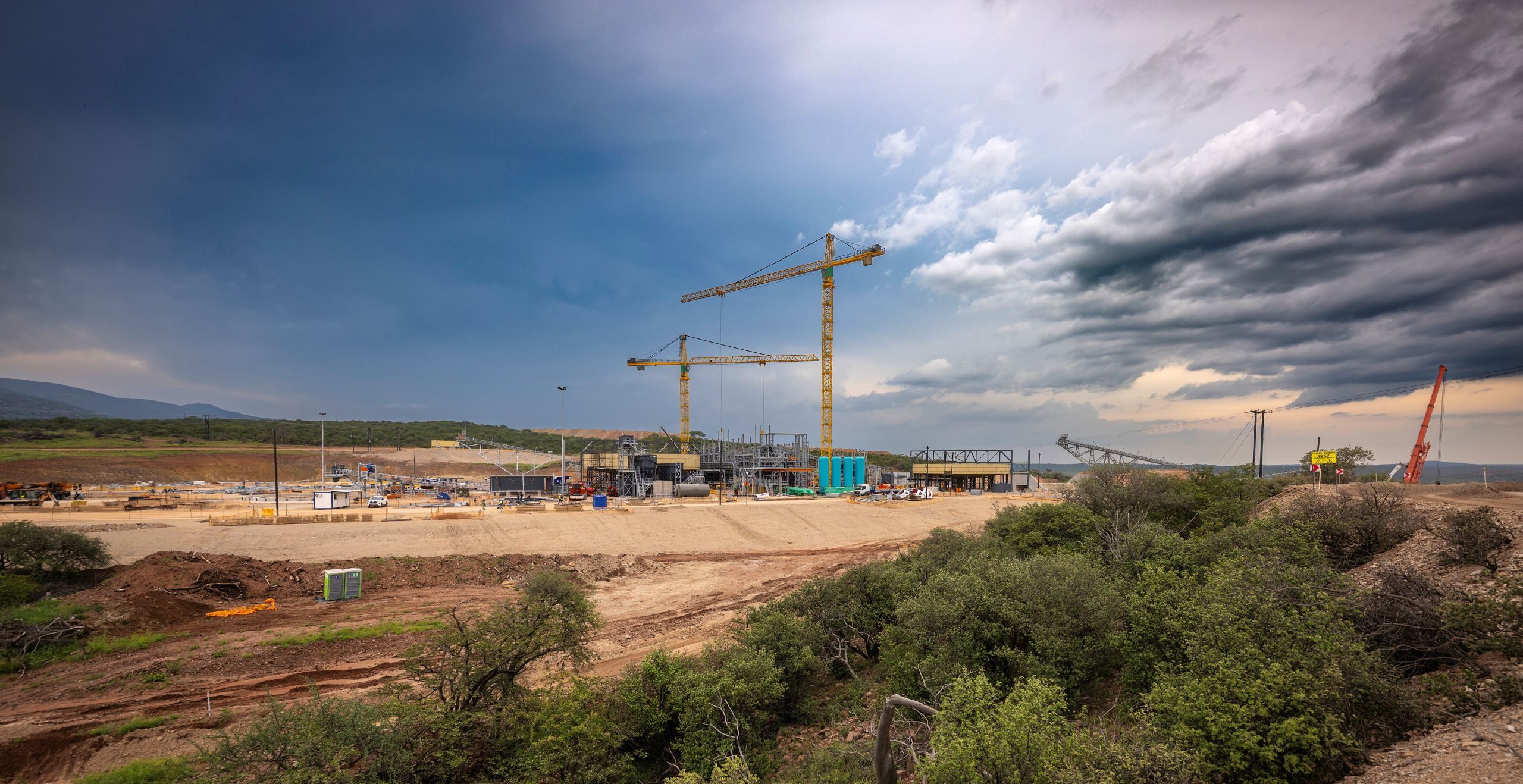
Significant on-site work was undertaken during the construction phase and critical agreements signed in terms of contract mining and the operation of the coal handling and preparation plant (CHPP). The Makhado Project is on track for commissioning to deliver first coal by the end of quarter 1, 2026.
Once full operational, the Makhado Colliery is expected to deliver positive returns for shareholders and position MC Mining as South Africa’s pre-eminent steelmaking HCC producer. with obvious advantages for domestic steel producers.
As a stable and successful mining operation, Makhado is also expected to have a positive impact on community development, through employment, business opportunities for local service providers and suppliers and corporate social investment.
In full production, Makhado should provide approximately 650 direct jobs.
| Planned production metrics | |
|---|---|
| Stripping Ratio (Waste: ROM) | 2,5 BCM: tonnes |
| Steelmaking HCC yield | 21,2% |
| Thermal coal yield | 17,6% |
| Coal Sales – 5,500 kcal thermal coal (Export) | 18,7Mt |
| Coal Sales – Steelmaking HCC (Domestic & Export) | 22,4Mt |
| Steelmaking HCC- Domestic | 11,2Mt |
| Steelmaking HCC- Export | 11,2Mt |
Uitkomst Colliery
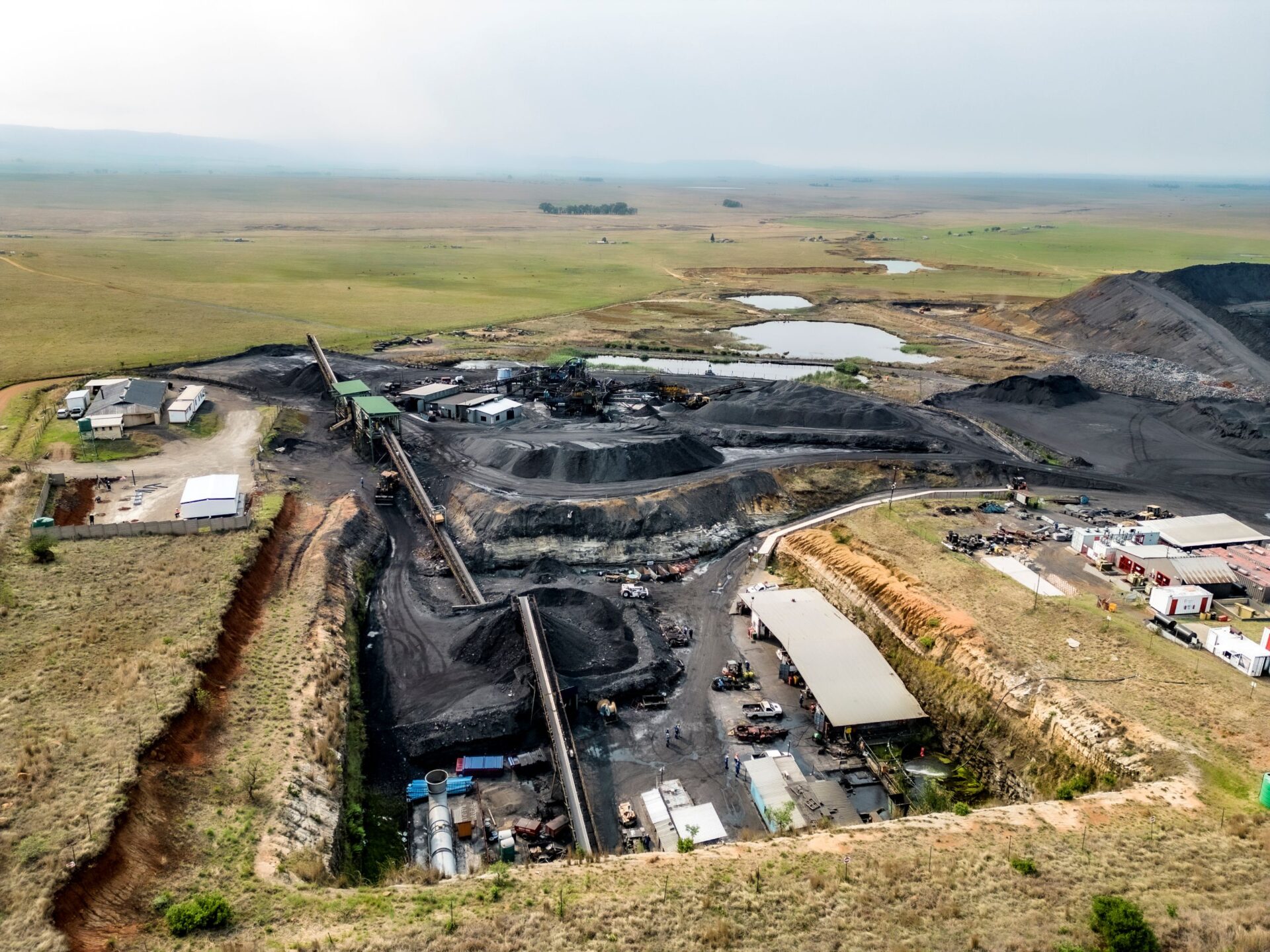
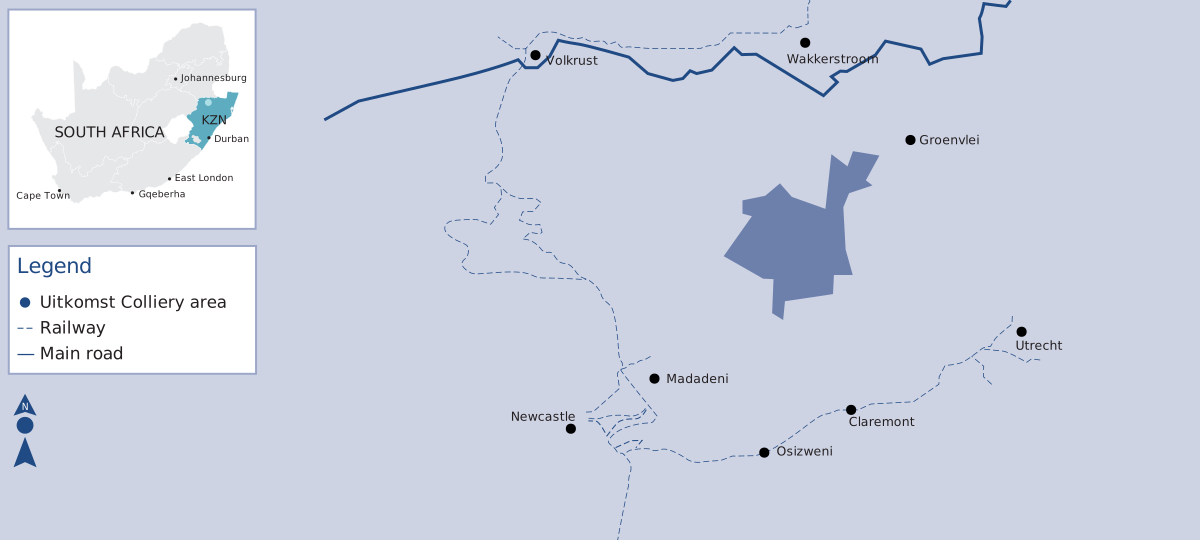
Uitkomst Colliery, located some 20km northwest of Utrecht and 23km northeast of Newcastle in South Africa’s KwaZulu-Natal province, mines high-grade metallurgical and thermal coal. The mine produces coal “peas” supplied to local energy generation facilities and a 0 – 40mm product for the domestic metallurgical market for use as pulverised coal.
Status
Suspended
Life of mine
~19 years
Mining method
Underground
In situ mineable resource
21Mt
Run-of-mine (ROM) coal production at the Uitkomst Colliery totalled approximately 390,788 tonnes for FY2025.
However, despite the implementation of a turnaround plan during 2025, operational underperformance and sustained cash losses at Uitkomst have continued and thus, the MC Mining Board approved the temporary suspension of mining and processing operations from 01 March 2026. This will give management some time to explore alternative options for the future of Uitkomst. In the meantime, a small team remains on site to ensure regulatory compliance at the operation.
Vele Aluwani Colliery
Vele Aluwani Colliery is in the Tuli Coalfield, 48km west of Musina, in South Africa’s Limpopo province, The mine’s coal resource comprises both steelmaking SSCC and export quality thermal coal. However, Vele’s CHPP does not have the requisite fines circuits that would allow for the simultaneous production of SSCC and thermal coal.
Status
On care and maintenance
Life of mine
~XX years
Mining method
Opencast
In situ mineable resource
10Mt
The Vele Colliery produced 119,849 tonnes of thermal coal during H1 FY2024 (FY2023: 96,673 tonnes), before operations were placed on care and maintenance in January 2024. This was largely due to operational challenges compounded by the lack of access to rail capacity to transport Vele’s coal to port. The colliery continues to be maintained in a state of readiness for future development.

Greater Soutpansberg Projects (GSP)
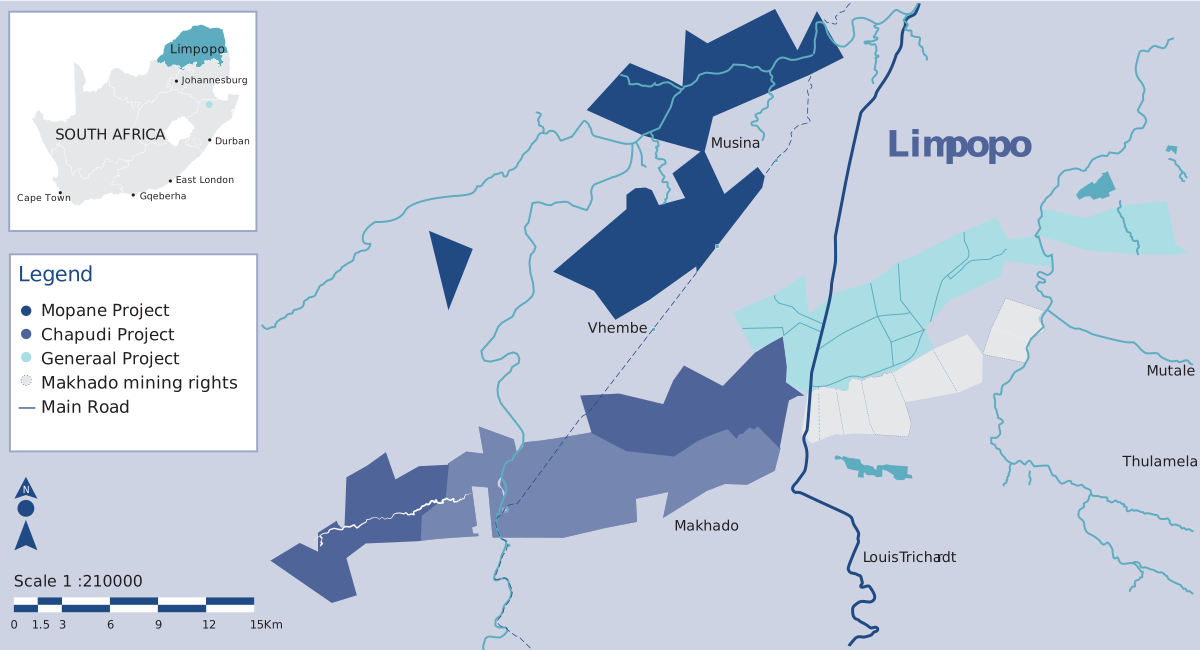
The exploration and development of MC Mining’s three Soutpansberg coalfield projects, namely the Chapudi, Mopane and Generaal project areas, are the catalyst for the long-term growth of the company.
Status
Early-stage exploration
Mining methods
Opencast + underground
Products
Coking + thermal coal
In situ mineable resource
>1,500Mt
The South African Department of Mineral and Petroleum Resources (DMPR) has granted mining rights for the three GSP project areas, which collectively contain over 7.0 billion gross tonnes in situ of inferred steelmaking HCC, SSCC and thermal coal resources.
The exploration and development of the GSP positions the company to be a significant, long-term steelmaking coal producer for both domestic use and export.
The company expects to begin with the various studies required for the outstanding water and environmental regulatory approvals following the commissioning of the Makhado Project.